








Winter Driving Tips for Cars, Vans & Motorhomes | Colebrook CSC Transporters
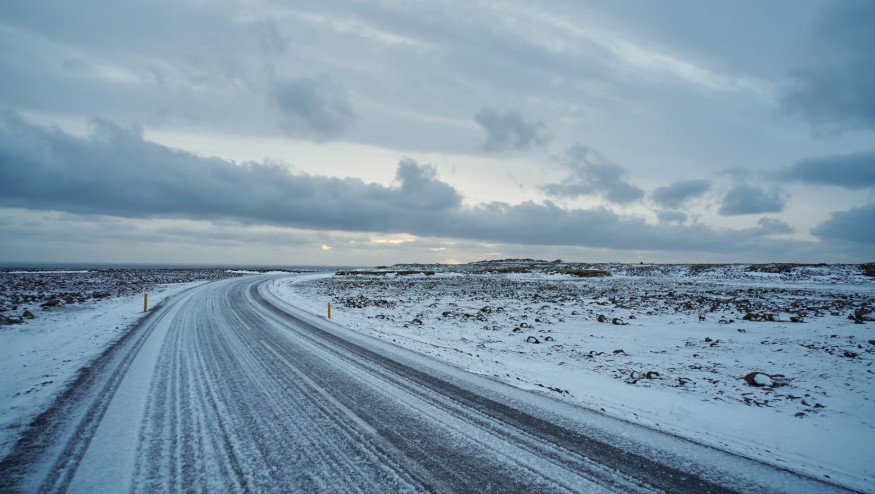
Preparing Your Car, Medium Van or Motorhome for Winter Driving
Winter weather can make driving more challenging for any vehicle, whether you’re in a car, a medium van, or a motorhome. Snow, ice, and freezing temperatures all affect handling, visibility, and braking distances. Proper preparation before setting off is essential for safety and reliability during colder months.
Clear Snow and Ice from the Vehicle
Snow should be removed from all areas of your vehicle, not just the windows.
- Clear snow from the roof, bonnet, lights, mirrors, and number plates
- Snow left on the roof can slide onto the windscreen when braking
- Ice and compacted snow can break free at speed and endanger other road users
For vans and motorhomes, roof snow adds extra weight and can affect stability and handling. Always clear it fully before driving, even if the vehicle has been parked overnight.
Defrost Windscreens and Windows Fully
Good visibility is critical in winter driving. Large windscreens—particularly on vans and motorhomes—take longer to defrost and demist.
- Fully clear the windscreen, side windows, and mirrors before driving
- Never rely on small cleared areas or heated airflow alone
- Ensure demisters and heaters are working correctly
Driving with impaired visibility is unsafe and illegal.
Check Tyres and Tyre Pressures
Cold weather directly affects tyre condition and pressure across all vehicle types.
Before setting off, check:
- Tyre pressures (cold temperatures reduce pressure)
- Tread depth and sidewall condition
- Signs of cracking or uneven wear
All-season tyres are well suited to UK winter conditions for cars, vans, and motorhomes. Keeping a tyre pressure gauge in the vehicle is highly recommended.
Carry Snow Chains or Traction Aids Where Needed
In some areas, particularly rural or elevated regions, snow chains may be required in winter conditions. Even where not legally required, they can provide vital grip on snow and ice.
- Ensure chains are the correct size for your tyres
- Practise fitting them before you need to use them
Snow socks can be easier to install and may help in light snow but are not suitable for sustained or mountainous driving.
Keep Windscreens Clear Overnight
Prepare your vehicle if it’s parked in freezing conditions:
- Top up washer fluid with a winter-grade antifreeze solution
- Lift wiper arms to stop them freezing to the glass
- Windscreen covers can prevent frost buildup and save time in the morning
These steps apply equally to cars, vans, and motorhomes.
Remove Winter Covers Before Driving
If you’ve fitted protective covers to external vents, pipes, wheel arches, or underbody areas—common on vans and motorhomes—ensure they are removed before driving. Leaving covers in place can cause overheating, damage, or become a road hazard.
Pack for Winter Emergencies
Unexpected delays can happen in winter, especially in poor weather. Carrying a basic emergency kit is strongly advised.
Recommended items include:
- Ice scraper and shovel
- Warm clothing, gloves, and blankets
- Torch with spare batteries
- Drinking water and hot drinks
- Mobile phone charger or power bank
These items are particularly important for drivers covering longer distances or rural routes.
Winter Driving Tips for Cars, Vans and Motorhomes
Drive Smoothly and Allow Extra Space
Sudden acceleration, braking, or steering can cause loss of grip on icy roads.
- Accelerate gently
- Brake early and progressively
- Leave a much larger gap between you and the vehicle ahead
Heavier vehicles such as vans and motorhomes require significantly longer stopping distances.
Use Lower Gears for Better Control
Lower gears help maintain traction on slippery surfaces.
- Use lower gears on hills and descents
- Automatic vehicles with manual mode should use it in winter conditions
- Avoid harsh gear changes that could cause wheel spin
Be Alert for Black Ice
Black ice is nearly invisible and extremely hazardous.
It commonly forms:
- On shaded roads
- On bridges and overpasses
- Near rivers, fields, and open ground
If steering feels light or unresponsive, ease off the accelerator and avoid sudden braking.
Take Extra Care on Hills
- Uphill: Build steady momentum and avoid stopping mid-climb
- Downhill: Use engine braking and gentle inputs to stay in control
Heavy vehicles benefit greatly from controlled, low-speed descents.
Monitor Weather Conditions
Winter conditions can change quickly. Check forecasts before and during your journey, and be prepared to delay travel if conditions worsen. Stopping somewhere safe is always preferable to driving in unsafe conditions.
Staying Warm and Safe When Parked
If you’re stopping overnight in cold weather—especially in a van or motorhome—ensure heating systems are operating correctly. Adequate warmth helps prevent frozen components and improves comfort.
Ventilation is also important. Slight airflow reduces condensation and helps maintain a dry interior.
Final Advice from Colebrook CSC Transporters
Whether you’re driving a car, medium van, or motorhome, winter preparation and cautious driving are key to staying safe on the road. Taking the time to prepare your vehicle properly and adapting your driving style to the conditions can prevent breakdowns, accidents, and unnecessary stress.
Drive carefully, stay prepared, and travel safely throughout the winter months.